

Matcha History: 800 Years of Japanese Green Tea and Culture
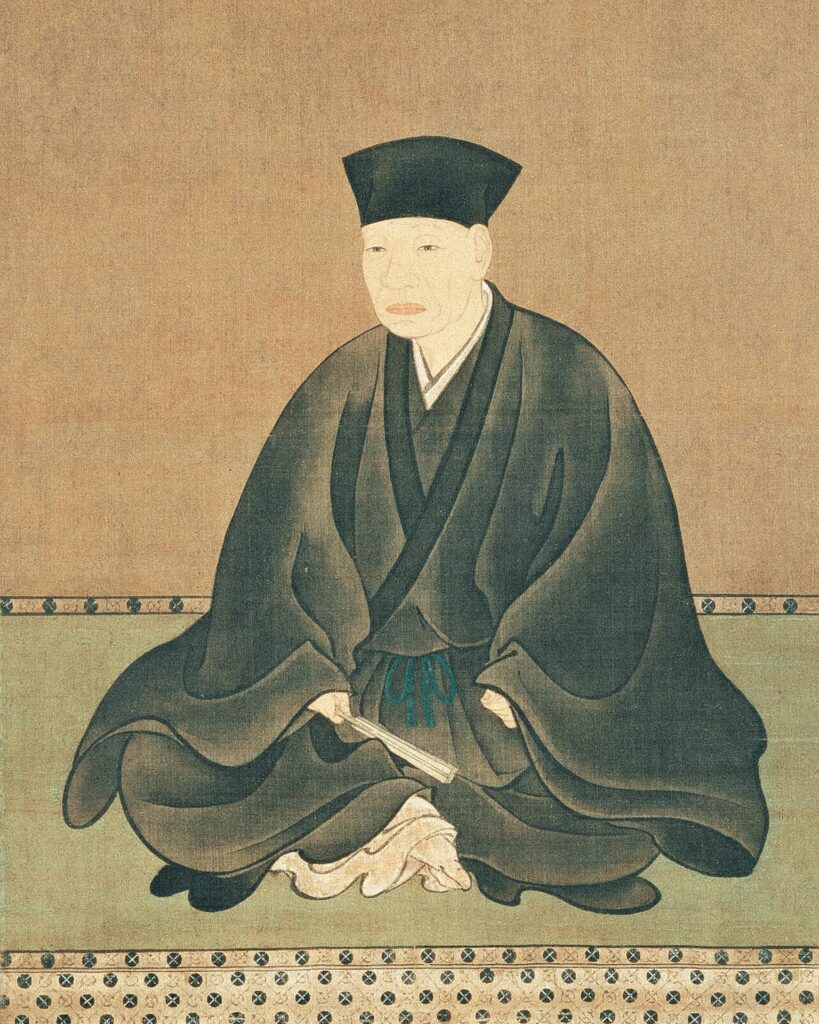
Matcha History: 800 Years of Japanese Green Tea and Culture LearningMatcha The Beauty of Matcha: Quiet Richness Shaped by 800 Years of Japanese Aesthetics The matcha we enjoy today is more than just a trendy green tea — it’s a tradition steeped in over 800 years of Japanese aesthetics, mindfulness, and cultural refinement. Sen no Rikyū and the Spirit of Wabi-Sabi Matcha first took root in Japan during the Kamakura period when tea seeds were brought from China. In the 16th century, matcha evolved beyond a drink, becoming a deeply spiritual and cultural ritual, thanks to the influence of legendary tea masterSen no Rikyū. Rikyū emphasized wabi-sabi — the uniquely Japanese aesthetic of finding beauty in simplicity, imperfection, and transience. A single tea bowl, a quiet tatami room, a freshly watered garden — these humble scenes, stripped of all excess, reflect a timeless, understated elegance. Portrait of Sen no Rikyū (first image) by Hasegawa Tōhaku Chashaku (bamboo tea scoop) crafted by Rikyū himself (second image)In February of Tenshō 19 (1591), Sen no Rikyū, who was ordered to commit ritual suicide by Toyotomi Hideyoshi, carved this tea scoop himself and used it in his final tea ceremony. After the ceremony, it was given to Furuta Oribe, who made a tea container with a rectangular window, through which he revered the tea scoop as a substitute for a memorial tablet. In this tradition, matcha is not simply consumed — it is experienced. The process of boiling water, whisking powdered green tea, and serving a cup with grace embodies mindfulness, presence, and gratitude. Uji Tea: Kyoto’s 800-Year Legacy of Excellence If matcha had a birthplace of excellence, it would be Uji, a region in Kyoto renowned for producing Japan’s highest quality green tea. Cultivation began here in the Kamakura period, and by the Edo era, Uji matcha was esteemed enough to be offered to shoguns. With its misty climate, fertile soil, and pure water, Uji offers ideal conditions for growing ceremonial-grade matcha. Generations of artisans have refined the art of cultivation and grinding, maintaining Uji’s status as the heart of Japan’s matcha heritage. The Four Waves of the Global Matcha Boom 1st Wave (1996) — Matcha as a Gourmet Flavor The boom began in Japan when Häagen-Dazs released its Green Tea ice cream, reintroducing matcha as a sophisticated, adult flavor. 2nd Wave (2000s) — Matcha Latte Goes Global With the rise of cafés like Starbucks, the matcha latte became a hit in the West, marking matcha’s leap into mainstream café culture. 3rd Wave (2010s–) — Wellness & Japanese Lifestyle With the global rise of wellness and mindfulness trends, matcha gained recognition as a superfood rich in antioxidants and L-theanine, making it popular in the U.S., Europe, and Southeast Asia. 4th Wave (Now) — Matcha as a Cultural & Personal Icon Today, we are entering a new phase. Matcha is no longer just healthy — it’s fashionable, expressive, and sustainable. Among Gen Z and millennial consumers, matcha is part of a modern lifestyle — where ancient rituals meet personal creativity. Matcha as Culture, Philosophy, and Future From its roots in Zen Buddhism to its evolution as a café favorite, matcha reflects more than flavor — it reflects a way of life. In a world that moves too fast, matcha invites us to pause, breathe, and reconnect. Each bowl of matcha is a moment of quiet. A mindful breath. A connection to 800 years of aesthetic wisdom. And perhaps, a small but meaningful step toward a more intentional future. If you are a business owner or retailer interested in offering premium matcha to your customers, please check out our Wholesale website for information on bulk purchasing and partnership opportunities. Prev
Organic vs. Non-Organic Matcha: Which One Should You Choose?
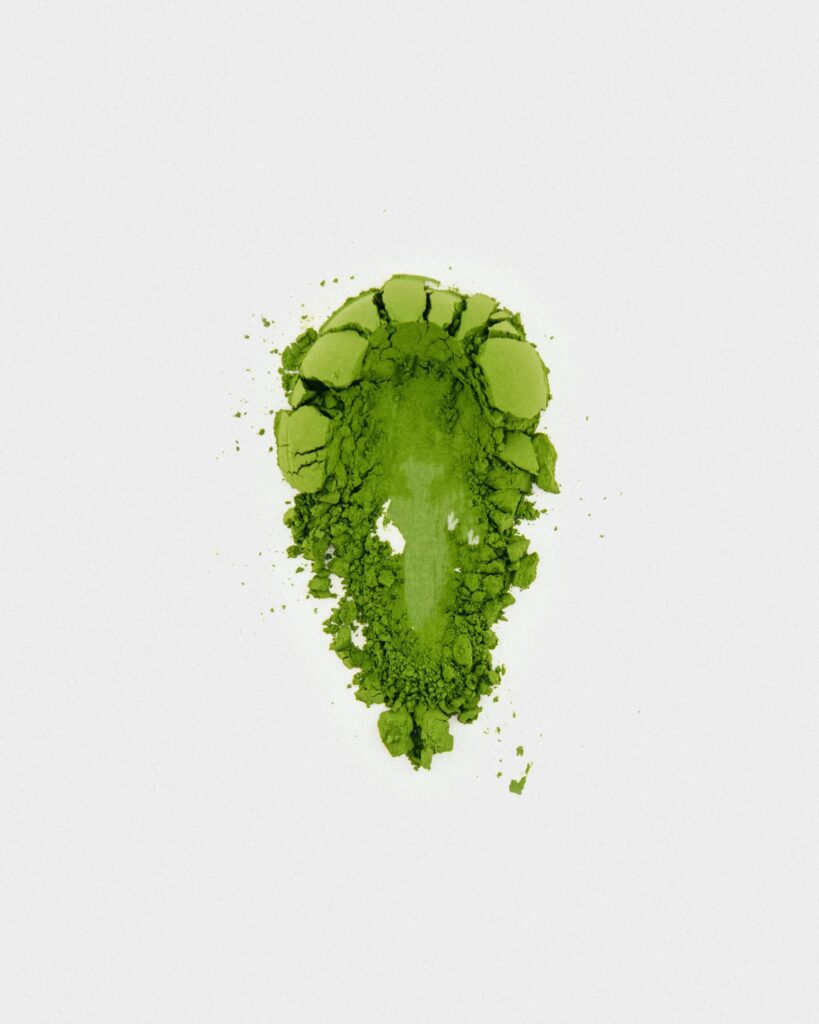
Organic vs. Non-Organic Matcha: Which One Should You Choose? LearningMatcha Insights from Tea Farmers in Uji, Japan When shopping for matcha, you’ve probably asked yourself: Should I go organic? It sounds healthier, more natural — but is it always better? After speaking directly with tea farmers in Uji, Kyoto — one of Japan’s most respected tea regions — we’ve learned that the answer is more nuanced than a simple “yes” or “no.” Color and Flavor: A Matter of Cultivation Non-organic matcha is often a vivid, lush green with a bold, umami-rich taste. This comes from careful fertilization, especially with nitrogen-rich inputs that intensify flavor and color. Think of it as a gourmet approach — rich in nutrients, designed to bring out the best in every leaf. In contrast, organic matcha tends to be lighter in color, with a gentler, more subtle taste — sometimes closer to sencha. Without the help of chemical fertilizers, the tea plants dig deep into the earth to find nutrients naturally. It’s a kind of “vegan farming,” and the taste reflects that: earthy, soft, and unpretentious. But “Organic” Doesn’t Mean Just One Thing What surprised us most was how diverse organic farming can be. Some farms use organic fertilizers derived from animals, while others follow a completely plant-based, sustainable cycle. Both are certified organic under Japan’s JAS system — but the farming philosophies are very different. These differences can greatly influence the tea’s aroma, depth, and finish. So while the “organic” label is useful, it doesn’t tell the full story. Knowing how the tea is grown matters just as much. Processing, Storage, and Beyond ea farmers were also quick to point out that cultivation is only part of the picture. The type of tea plant, weather, soil, how the leaves are steamed, dried, and ground — even the condition of the stone mill — all affect the taste. And once matcha is ground into powder, it becomes incredibly sensitive. Light, heat, and air can quickly degrade its flavor and color. In fact, the vibrant green you see in premium matcha is often the result of careful, cold storage just as much as expert farming. It’s Not About “Better or Worse” — It’s About What You Value One Uji farmer put it beautifully: “It’s not which one is better — it’s what standard you’re using to decide.” Do you prioritize vibrant color and bold taste? Or do you care more about sustainability and how the tea is grown? The best matcha for you depends on what you believe in. So next time you’re shopping, look beyond the label. Seek out the story. That just might lead you to a cup that feels perfect — not just for your tastebuds, but for your values. It’s Not About “Better or Worse” — It’s About What You Value At UND, we source both organic and non-organic matcha directly from Japanese farms that share our values. About Wholesale For businesses interested in carrying our products, we offer wholesale options.For details on our offerings and pricing, please visit our wholesale site.※ A password is required to access the site. Please contact us here for access. Learn More Wholesale PrevNext