

Matcha History: 800 Years of Japanese Green Tea and Culture
- LearningMatcha
The Beauty of Matcha: Quiet Richness Shaped by 800 Years of Japanese Aesthetics
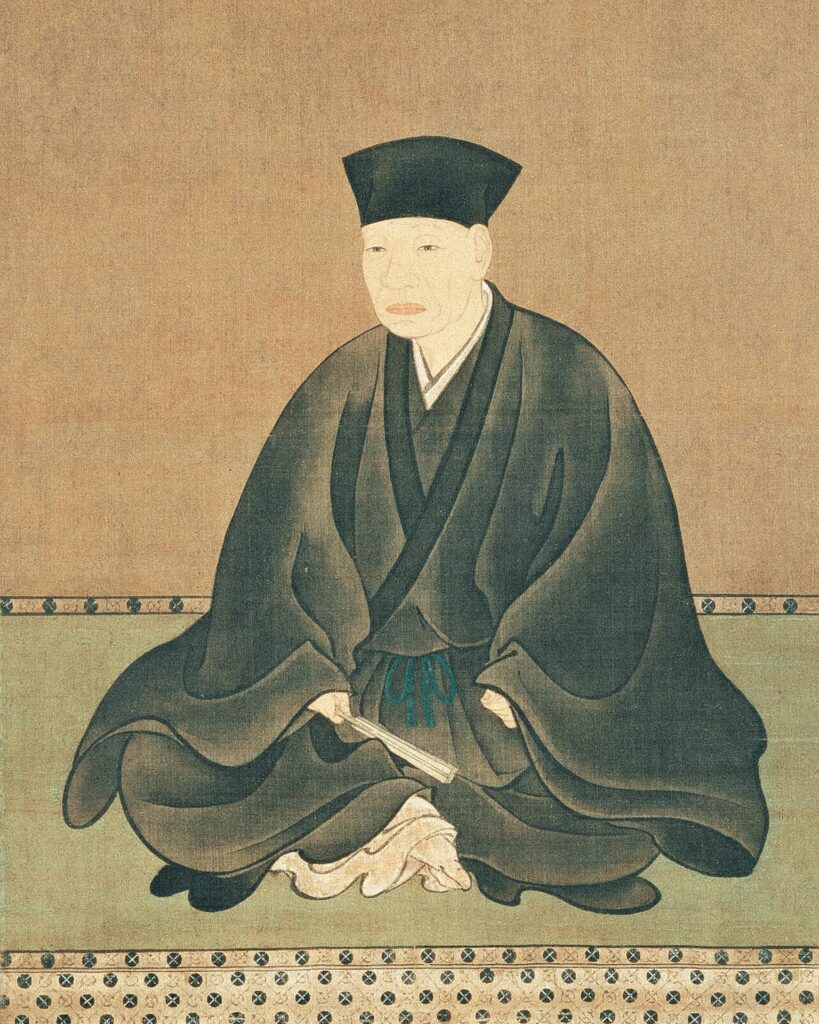
Sen no Rikyū and the Spirit of Wabi-Sabi
Matcha first took root in Japan during the Kamakura period when tea seeds were brought from China. In the 16th century, matcha evolved beyond a drink, becoming a deeply spiritual and cultural ritual, thanks to the influence of legendary tea masterSen no Rikyū.
Rikyū emphasized wabi-sabi — the uniquely Japanese aesthetic of finding beauty in simplicity, imperfection, and transience. A single tea bowl, a quiet tatami room, a freshly watered garden — these humble scenes, stripped of all excess, reflect a timeless, understated elegance.
Portrait of Sen no Rikyū (first image) by Hasegawa Tōhaku
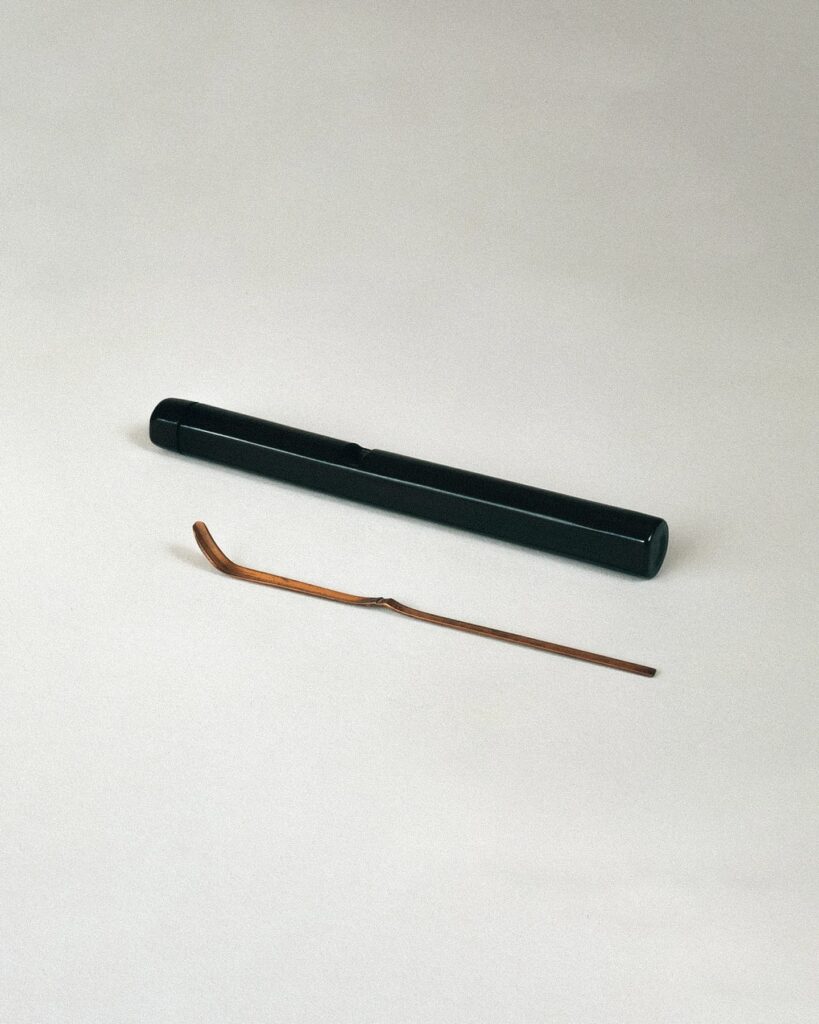
Chashaku (bamboo tea scoop) crafted by Rikyū himself (second image)
In February of Tenshō 19 (1591), Sen no Rikyū, who was ordered to commit ritual suicide by Toyotomi Hideyoshi, carved this tea scoop himself and used it in his final tea ceremony. After the ceremony, it was given to Furuta Oribe, who made a tea container with a rectangular window, through which he revered the tea scoop as a substitute for a memorial tablet.
Uji Tea: Kyoto’s 800-Year Legacy of Excellence
With its misty climate, fertile soil, and pure water, Uji offers ideal conditions for growing ceremonial-grade matcha. Generations of artisans have refined the art of cultivation and grinding, maintaining Uji’s status as the heart of Japan’s matcha heritage.
The Four Waves of the Global Matcha Boom
The boom began in Japan when Häagen-Dazs released its Green Tea ice cream, reintroducing matcha as a sophisticated, adult flavor.
2nd Wave (2000s) — Matcha Latte Goes Global
With the rise of cafés like Starbucks, the matcha latte became a hit in the West, marking matcha’s leap into mainstream café culture.
3rd Wave (2010s–) — Wellness & Japanese Lifestyle
With the global rise of wellness and mindfulness trends, matcha gained recognition as a superfood rich in antioxidants and L-theanine, making it popular in the U.S., Europe, and Southeast Asia.
4th Wave (Now) — Matcha as a Cultural & Personal Icon
Today, we are entering a new phase. Matcha is no longer just healthy — it’s fashionable, expressive, and sustainable. Among Gen Z and millennial consumers, matcha is part of a modern lifestyle — where ancient rituals meet personal creativity.